Social Discovery · Matching Logic · Product Strategy
Re-imagining Gen-Z Dating Through Astrological Matchmaking & Voice Connection
Role
Product Manager
Timeline
2015 - 2018
Focus
Product strategy & feature definition
Platform
iOS · Android
Repositioning a mainstream dating app into a hyper-targeted social platform for early-20s adults. By leveraging astrological matching logic, an authentic Gen-Z brand persona, viral Character shipping marketing, and real-time voice interactions, we transformed cold-start interactions into meaningful social engagement.
Context
Breaking Through in a Saturated Market
The startup originally launched as a general-purpose dating app. However, our competitive analysis uncovered industry-wide issues, notably low user engagement and high ghosting rates.
As early member at the startup and product manager for feature definition, I led the strategic shift to discover a defensible niche, redesign the core matching mechanics around shared cultural interests (astrology), and align the end-to-end user experience with early-20s habits.
Discovery
User Research & Niche Identification
To validate our hypotheses, we recruited target users across different age and lifestyle segments for qualitative in-depth interviews to analyse pain points and redefine our user segment.
The "first message" friction
Users in their early 20s felt overwhelmed by opening chats with generic "Hey" messages. They needed a natural, low-pressure icebreaker.
Astrology as cultural currency
Target users frequently used zodiac signs and natal charts as an informal shorthand for personality traits, values, and compatibility.
Text messaging fatigue
Traditional swipe mechanics and text chats felt transactional, leading to quick drop-offs before genuine connection occurred.
Execution
Product Execution & Version 1 Launch
Novel Matchmaking Logic: Astro-Compatibility
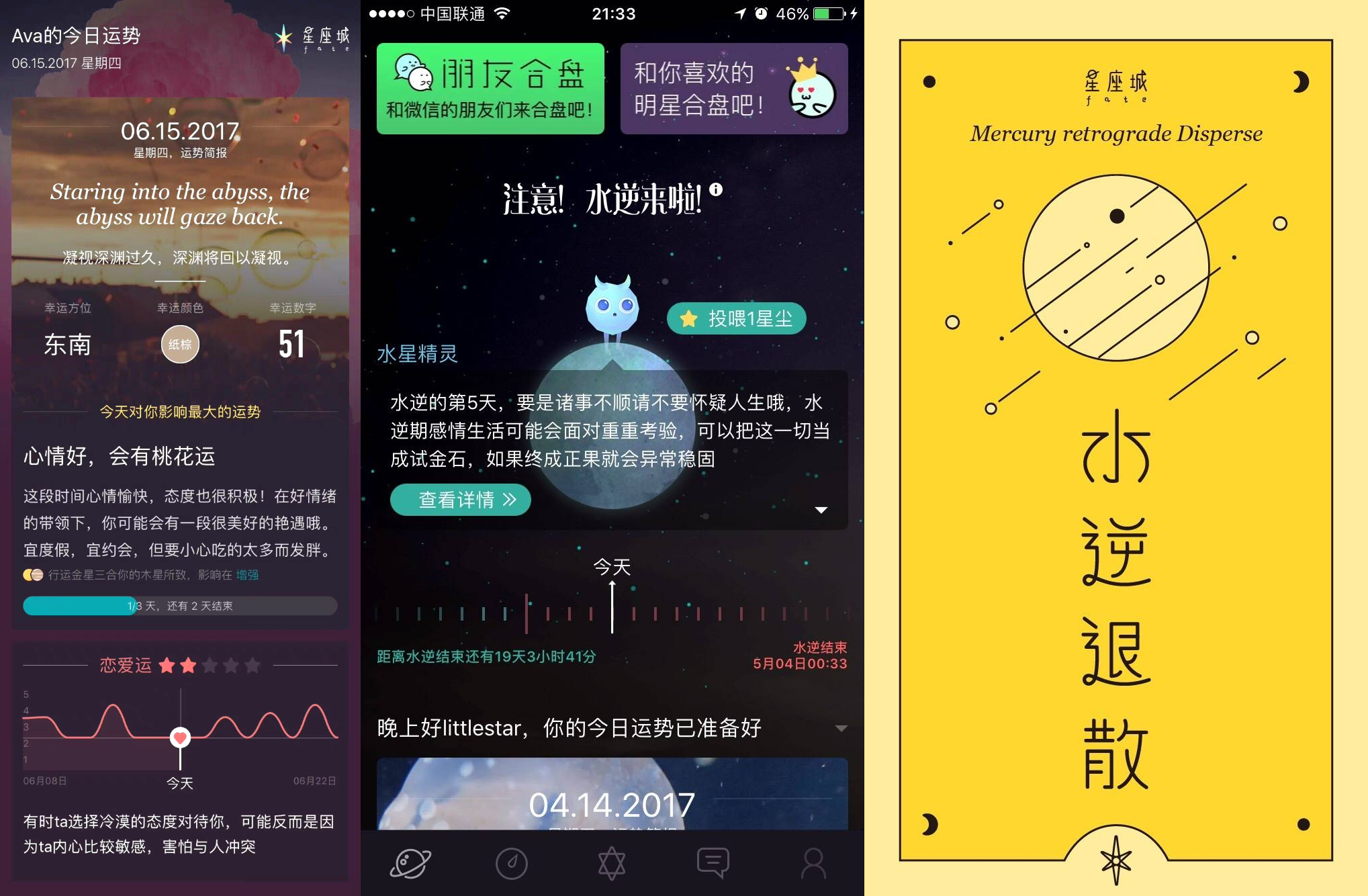
We structured the core matching algorithm around users' birth charts and zodiac compatibility. Beyond just pairing people up, natal chart overlays acted as automated conversation starters (e.g., "Why your Sun in Aries and their Moon in Pisces make a great match"), eliminating opening message anxiety.
Tonal Adaptation & Copywriting
We rewrote all product microcopy, onboarding flows, and system alerts to reflect the playful, informal tone of early-20s users, making the app feel like a peer-to-peer social space rather than a formal utility.
GTM Launch: Viral "Character shipping" Campaign
To maximise initial acquisition at launch, we conceptualised and executed a "Character shipping" viral campaign. By leveraging popular pop-culture pairings and interactive zodiac compatibility tests on social media, we drove a massive initial wave of organic downloads and brand awareness among young audiences.
Data Feedback Loops & The Product Pivot (Version 2)
Post-Launch Signal Analysis
Following the V1 release, we monitored user retention curves, qualitative feedback channels, and paywall/membership purchase intent signals.
The gap identified
While astro-matching succeeded at driving initial matches and icebreaking conversations, text-based messaging still suffered from drop-offs over time.
The strategic pivot
We shifted product direction in Version 2 by introducing real-time voice calling, giving users an immediate, authentic way to evaluate chemistry without leaving the app.
Synchronized IP & Social Media Strategy. To support the voice feature pivot, we overhauled our external marketing and social media accounts. We created a distinct "Younger Brand IP Persona" across social platforms, using viral content, informal community interaction, and Gen-Z terminology to bridge the gap between social media marketing and in-app user experience.